
-
HOME
-
WHAT IS STANDOur Mission Our Values Our Help Contact
-
WHAT WE FIGHT FORReligious Freedom Religious Literacy Equality & Human Rights Inclusion & Respect Free Speech Responsible Journalism Corporate Accountability
-
RESOURCESExpert Studies Landmark Decisions White Papers FAQs David Miscavige Religious Freedom Resource Center Freedom of Religion & Human Rights Topic Index Priest-Penitent Privilege Islamophobia
-
HATE MONITORBiased Media Propagandists Hatemongers False Experts Hate Monitor Blog
-
NEWSROOMNews Media Watch Videos Blog
-
TAKE ACTIONCombat Hate & Discrimination Champion Freedom of Religion Demand Accountability
The Human Cost of Germany’s Failed Scientology Surveillance
For years, Germany justified extraordinary surveillance of Scientologists by claiming the religion represented a threat to democracy.
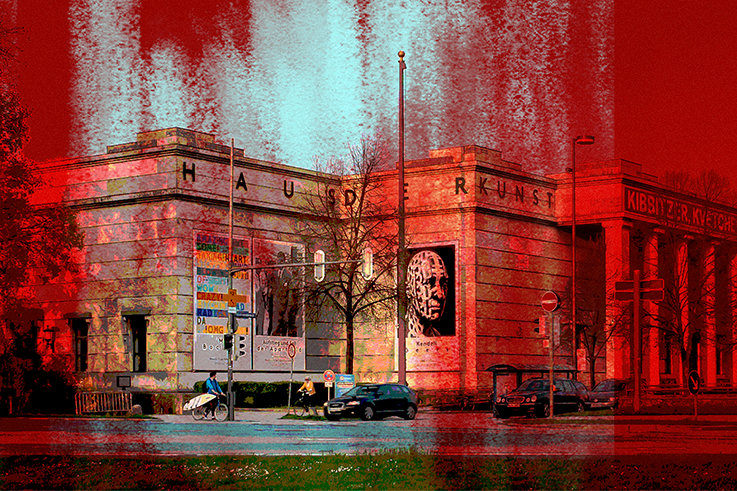
But behind the rhetoric were ordinary people whose lives and careers were damaged simply because of their faith.
One of the clearest examples emerged at Munich’s prestigious House of Art museum.
The case revealed the deeper reality behind Germany’s anti-Scientology climate.
A respected employee with decades of successful work behind him suddenly became the subject of controversy—not because of misconduct, incompetence or criminal behavior, but because he was a Scientologist. Public pressure mounted. Political pressure followed. His religion became grounds for suspicion in itself.
The case revealed the deeper reality behind Germany’s anti-Scientology climate: Individuals could become professionally untouchable merely because government institutions and public officials had spent years portraying Scientologists as dangerous or anti-democratic.
This was not an isolated incident.
For decades, Scientologists across Germany faced employment barriers, contract cancellations, blacklisting and exclusion through “sect filters” that warned employers and institutions away from Scientologists regardless of individual conduct.
Now, after nearly 30 years, Germany’s surveillance campaign is ending without having substantiated the allegations used to justify it.
But for many Scientologists, the consequences were never abstract.
They were personal.